FR
FR  EN
EN  RU
RU  PL
PL  ES
ES 
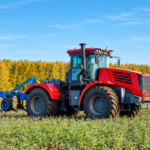
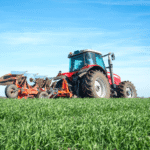
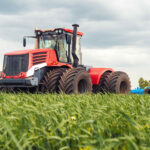
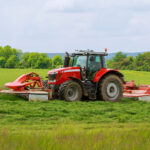
Choisir la puissance de tracteur adaptée permet d'améliorer la productivité, de maîtriser les coûts d'exploitation et d'utiliser les outils agricoles en toute sécurité. Cependant, l'achat du tracteur le plus puissant n'est pas toujours la meilleure solution.
Un tracteur trop petit risque d'avoir du mal à manier des outils exigeants et à effectuer des travaux agricoles intensifs. Un tracteur surdimensionné, quant à lui, peut consommer davantage de carburant, tasser le sol et devenir difficile à manœuvrer dans les vergers, les vignobles ou les cours de ferme étroites.
Le choix approprié dépend de la taille de votre exploitation, de vos cultures, de votre terrain, de vos outils et de votre charge de travail quotidienne.
Réponse rapide : De combien de chevaux avez-vous besoin pour votre tracteur ?
Guide général de la puissance des tracteurs :
- 20–35 CV : Petites exploitations agricoles, vignobles, vergers, serres et entretien léger
- 35–50 CV : Exploitations agricoles mixtes, élevages et cultures régulières
- 50–75 CV : Exploitations agricoles moyennes et grandes utilisant des outils plus lourds
- 75–100 CV : Production agricole commerciale, labour intensif et transport
- 100 CV et plus : Agriculture arable à grande échelle et outils à haute capacité
Ces fourchettes constituent un point de départ. Vérifiez toujours la puissance requise par votre outil le plus lourd avant de choisir un tracteur.
Que signifie la puissance d'un tracteur en chevaux ?
La puissance du moteur mesure la quantité de travail qu'il peut effectuer. Plus la puissance est élevée, plus le tracteur peut généralement tirer des outils plus larges, supporter des charges plus lourdes et réaliser les travaux agricoles plus rapidement.
Les acheteurs doivent comprendre la différence entre deux évaluations importantes :
Puissance du moteur
La puissance du moteur représente la puissance totale produite par le moteur du tracteur.
Puissance de la prise de force
La prise de force, ou puissance de la prise de force (PDF), est la puissance utilisable transmise à des équipements tels que les fraises rotatives, les tondeuses, les presses à balles, les pulvérisateurs et les semoirs.
La puissance à la prise de force est généralement inférieure à la puissance du moteur. Par conséquent, un outil nécessitant 40 ch à la prise de force peut nécessiter un tracteur doté d'un moteur plus puissant.
Lors de la comparaison tracteurs, vérifiez les deux chiffres plutôt que de choisir un modèle uniquement en fonction de la puissance du moteur.
Puissance des tracteurs pour les petites exploitations agricoles
Les petites exploitations agricoles européennes comprennent souvent des cultures maraîchères, des vignobles, des vergers, des serres, des élevages et des propriétés à usage mixte. Ces exploitations nécessitent généralement plus de maniabilité et de polyvalence que de puissance moteur maximale.
Tracteurs de 20 à 35 CV
Un tracteur compact de 20 à 35 CV peut convenir pour :
- Tonte et entretien du gazon
- culture lumineuse
- Pulvérisation et application d'engrais
- petites remorques
- Travaux dans les vergers et les vignobles
- Opérations en serre
- Déneigement
- tâches de chargeur léger
Les tracteurs compacts sont plus faciles à manœuvrer entre les rangs étroits et à l'intérieur des bâtiments agricoles exigus. Leur poids plus léger contribue également à réduire le tassement du sol.
Toutefois, les acheteurs doivent s'assurer que le tracteur dispose d'une capacité hydraulique, d'une capacité de levage et d'une puissance de prise de force suffisantes pour les accessoires prévus.
Tracteurs de 35 à 50 CV
Cette gamme offre une plus grande flexibilité aux petites exploitations agricoles qui effectuent régulièrement des travaux des champs.
Un tracteur de 35 à 50 ch peut être utilisé pour des activités telles que le labour, le fraisage rotatif, les semis, l'alimentation du bétail, la manutention de matériaux et le transport de charges moyennes. Il constitue un choix judicieux lorsqu'un seul tracteur doit effectuer plusieurs tâches tout au long de l'année.
Explorez les options disponibles machines agricoles en fonction de vos cultures, de vos conditions de travail et de votre échelle de production.
Puissance des tracteurs pour les exploitations agricoles moyennes et grandes
Les exploitations agricoles de plus grande taille nécessitent généralement plus de puissance car elles couvrent des superficies plus vastes, utilisent des outils plus lourds et doivent effectuer des travaux saisonniers dans des délais limités.
Tracteurs de 50 à 75 CV
Les tracteurs de cette gamme conviennent à de nombreuses exploitations agricoles mixtes et de taille moyenne.
Ils peuvent être utilisés pour :
- Labour à profondeur moyenne
- préparation du lit de semences
- plantation de cultures
- travaux de foin et de fourrage
- Opérations de chargement frontal
- transport par remorque
- Épandage d'engrais
- élevage
Cette gamme de puissance offre un équilibre entre performances sur le terrain, compatibilité avec les outils et consommation de carburant.
Tracteurs de 75 à 100 CV
Un tracteur de 75 à 100 CV peut être plus approprié pour les exploitations agricoles commerciales, les grands élevages et les entrepreneurs.
La puissance supplémentaire permet d'utiliser des équipements agricoles plus larges, des remorques plus lourdes, des presses à balles, des semoirs et des machines à prise de force exigeantes. Elle peut également réduire le temps nécessaire pour effectuer des travaux sur de plus grandes surfaces.
Tracteurs de plus de 100 ch
Les grandes exploitations agricoles cultivant des céréales, du maïs, des oléagineux ou d'autres cultures commerciales peuvent nécessiter des tracteurs de plus de 100 CV.
Ces tracteurs sont conçus pour les travaux agricoles intensifs, le labour profond, les semoirs de grande taille, les remorques lourdes et les longues heures de travail. Le choix de la transmission, des pneumatiques et du système hydraulique appropriés est donc primordial.
Ne choisissez pas la puissance en chevaux uniquement en fonction de la taille de l'exploitation.
Deux exploitations agricoles de même superficie peuvent avoir des besoins en énergie totalement différents.
Une exploitation maraîchère de plaine utilisant des outils agricoles légers peut nécessiter moins de puissance qu'une petite exploitation d'élevage transportant des aliments lourds, du fumier ou des balles de foin. Tenez compte des facteurs suivants avant de prendre votre décision.
Votre outil le plus lourd
Identifiez l'outil nécessitant la plus grande puissance de prise de force, la plus grande capacité hydraulique ou la plus grande force de traction. Votre tracteur doit pouvoir l'utiliser sans solliciter continuellement le moteur.
Examiner les conditions outils agricoles avant de finaliser les spécifications du tracteur.
Conditions du sol
Les sols argileux lourds, humides et compactés nécessitent une force de traction supérieure à celle des sols légers ou sableux. Dans des conditions difficiles, la transmission intégrale et des pneumatiques adaptés peuvent également s'avérer indispensables.
Terrain et climat européen
Les exploitations agricoles montagneuses, les vignobles en pente et les terrains accidentés nécessitent une bonne traction, une bonne stabilité et un bon contrôle du freinage.
Dans les régions plus froides d'Europe, les tracteurs peuvent également être utilisés pour l'alimentation hivernale, le déneigement et le transport sur des surfaces mouillées ou gelées.
Poids et traction du tracteur
La puissance du moteur à elle seule ne garantit pas les performances de traction. Un tracteur puissant mais léger peut perdre de l'adhérence lorsqu'il travaille avec des équipements lourds.
Le poids du tracteur, le lestage, le choix des pneumatiques et la transmission intégrale peuvent avoir une incidence significative sur ses performances sur le terrain.
Capacité hydraulique et de levage
Les chargeuses, les outils hydrauliques et les équipements portés dépendent du débit hydraulique et de la capacité de levage. Vérifiez que le tracteur peut soulever et contrôler l'accessoire prévu en toute sécurité.
Espace de travail
Un gros tracteur peut s'avérer inadapté aux allées étroites, aux bâtiments agricoles anciens, aux vergers ou aux vignobles plantés densément. Mesurez l'espacement entre les rangs, les entrées et les zones de stockage avant l'achat.
Faut-il acheter plus de puissance pour assurer sa croissance future ?
Il peut être judicieux d'acheter légèrement au-dessus de vos besoins actuels lorsque vous prévoyez d'agrandir votre exploitation ou d'acquérir des outils plus volumineux.
Toutefois, évitez de payer pour une puissance que vous n'utiliserez probablement pas. Un tracteur surdimensionné peut augmenter le prix d'achat, la consommation de carburant, le coût des pneus et les frais d'outillage.
Choisissez une capacité de réserve suffisante pour éviter une surcharge continue tout en conservant une machine adaptée à votre activité actuelle.
Liste de vérification finale de la puissance du tracteur
Avant de demander un devis, veuillez confirmer :
- Superficie totale de l'exploitation et aménagement des champs
- principales cultures ou activités d'élevage
- Machine la plus lourde prévue
- Puissance requise à la prise de force
- débit hydraulique et capacité de levage
- Type de sol et terrain
- exigences en matière de transport et de chargement
- Les besoins en quatre roues motrices
- entrées de ferme et espace de stockage
- Pièces détachées, service et assistance technique
Foire aux questions
Un tracteur de 30 CV est-il suffisant pour une petite exploitation agricole ?
Un tracteur de 30 CV peut convenir à une petite exploitation agricole pour la tonte, le travail léger du sol, la pulvérisation, le transport et les travaux arboricoles. Des travaux de labour plus intensifs ou l'utilisation d'un chargeur frontal peuvent nécessiter une puissance et un poids supérieurs.
Quelle puissance de tracteur est la plus adaptée pour une superficie de 20 hectares ?
Il n'existe pas de puissance de tracteur unique adaptée à toutes les exploitations de 20 hectares. Un tracteur d'une puissance comprise entre 50 et 75 CV environ peut convenir à de nombreuses exploitations, mais les cultures, le type de terrain, les heures de travail et la taille des outils détermineront le besoin final.
La puissance de la prise de force est-elle plus importante que la puissance du moteur ?
La puissance à la prise de force est particulièrement importante pour l'utilisation d'outils motorisés. La puissance du moteur reste pertinente, mais le tracteur doit fournir une puissance suffisante à la prise de force pour l'équipement utilisé.
La transmission intégrale réduit-elle la puissance nécessaire ?
La transmission intégrale améliore la traction, mais ne remplace pas la puissance du moteur. Elle permet au tracteur de transmettre plus efficacement la puissance disponible du moteur au sol sur les pentes, les sols meubles, la boue et les champs humides.
Un tracteur peut-il avoir trop de puissance ?
Oui. Une puissance excessive peut augmenter les coûts d'entretien, le tassement du sol et les difficultés de manœuvre sans apporter d'avantages concrets.
Demander un devis pour des machines
Le tracteur approprié doit être adapté à votre terrain, à vos outils et à vos conditions de travail, et non pas simplement à la puissance maximale disponible.
Machines SV Fournit des tracteurs et des outils agricoles aux concessionnaires de machines, aux importateurs, aux entrepreneurs et aux entreprises agricoles à travers l'Europe et l'Amérique latine.
Contactez notre équipe d'exportation de machines pour discuter de la puissance requise, de l'application agricole, des accessoires, du pays de destination et des spécifications préférées de votre tracteur.