EN
EN  RU
RU  FR
FR  PL
PL  ES
ES 
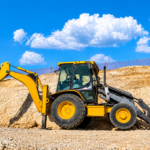
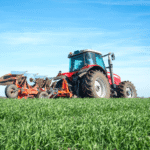
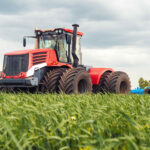
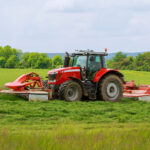
Choosing the right tractor for an olive farm or vineyard requires more than comparing horsepower or price. These farms often include narrow rows, low branches, uneven ground and limited turning space, so the tractor must suit the actual working environment.
For many growers, a compact or narrow tractor offers a practical balance of size, power, traction and implement compatibility. The right machine should move comfortably between rows, operate the required equipment and support everyday farm work without causing unnecessary crop damage.
What Is the Best Tractor for Olive Farms and Vineyards?
A compact or narrow tractor is often a suitable choice for vineyard and olive farm applications.
Depending on the farm layout and workload, buyers should normally consider:
- Overall tractor width
- Turning radius
- Ground clearance
- Engine power
- 2WD or 4WD configuration
- Hydraulic lifting capacity
- PTO compatibility
- Tractor weight and stability
- Operator visibility
- Spare-parts availability
There is no single tractor specification that works for every farm. The best choice depends on row spacing, terrain, implements, working hours and the type of agricultural tasks being performed.
Measure the Row Width Before Selecting a Tractor
One of the first things to check is the narrowest working space on the farm.
The tractor should move between vines or olive trees without touching branches, posts, irrigation systems or crop-producing areas.
Before choosing a model, check:
- Overall width
- Wheel width
- Tractor height
- Wheelbase
- Turning radius
- Ground clearance
A narrow tractor can be particularly useful in closely planted vineyards and orchards. Farms with wider spacing may have more flexibility when choosing tractor dimensions.
Do not select a tractor based only on horsepower. A powerful tractor that cannot move comfortably between rows may not be suitable for daily work.
How Much Horsepower Does an Olive Farm or Vineyard Tractor Need?
Horsepower should match the work the tractor needs to perform.
Smaller tractors can handle routine maintenance, light mowing, spraying and transport. More demanding work such as soil cultivation, heavier implements or loaded trailers may require additional power.
A general guide may include:
- 20–30 HP: Light maintenance, mowing, spraying and small trailers
- 30–50 HP: Cultivation, rotavator work, regular spraying and transport
- 50 HP and above: Larger implements, heavier loads and more demanding operations
S V Machinery supplies tractors across different horsepower ranges, including compact, orchard, vineyard, utility, 2WD and 4WD tractor options.
Buyers should always confirm the latest specifications, dimensions and available configurations before selecting a model.
Should You Choose a 2WD or 4WD Tractor?
The correct drive configuration depends largely on terrain and workload.
A 4WD tractor can provide additional traction when operating on loose soil, uneven ground, gradients or difficult working surfaces.
Four-wheel drive may be useful when:
- The farm includes sloping sections
- Ground conditions become loose or muddy
- Heavy implements are regularly used
- The tractor pulls loaded trailers
- More traction is required during cultivation
- Additional control is needed on uneven ground
A 2WD tractor may still be suitable for flat land, lighter applications and less demanding workloads.
Rather than choosing between 2WD and 4WD only on price, buyers should consider where and how the tractor will be used.
Match the Tractor With Your Implements
The tractor and its implements should work as one complete system.
Before you buy tractors online, identify the main jobs the tractor will perform throughout the year.
Common vineyard and olive farm applications include:
- Spraying
- Mowing
- Weed management
- Soil cultivation
- Rotavator work
- Mulching
- Fertiliser application
- Trailer transport
- Pruning-waste management
- Light loader work
- General farm maintenance
Check the tractor’s:
- PTO specifications
- Hydraulic capacity
- Three-point linkage
- Lifting capacity
- Implement compatibility
- Required engine power
A tractor may have suitable dimensions but still be unsuitable if it cannot safely operate the required equipment.
Buyers planning a complete machinery package can also explore available agriculture implements according to their required applications.
Why Is Turning Radius Important in Vineyards?
Turning space is often limited at the end of vineyard or orchard rows.
A tractor with a tighter turning radius can make it easier to enter the next row without excessive reversing or repeated manoeuvring.
This can help:
- Reduce working time
- Improve operator convenience
- Limit unnecessary crop disturbance
- Make repetitive field operations easier
- Improve manoeuvrability in restricted spaces
Wheelbase, steering design, tyre configuration and overall tractor dimensions can all affect turning performance.
Buyers should compare these specifications carefully when working in narrow farming environments.
Check Ground Clearance and Tractor Height
Tractor height and ground clearance are also important.
A tractor that is too tall may have difficulty operating below low branches, while insufficient ground clearance may create problems on uneven surfaces or when moving over crop residue.
Consider:
- Lowest branch height
- Crop layout
- Ground condition
- Irrigation systems
- Mounted implements
- Tractor cabin height
- Underbody clearance
For farms with low branches, an open-station tractor may sometimes offer more clearance than a fully enclosed cabin model.
However, the final selection should also consider operator protection and working conditions.
Check Stability Before Choosing a Narrow Tractor
Narrow tractors must provide suitable stability for the work being performed.
This becomes especially important when operating on slopes or using mounted equipment.
Buyers should check:
- Tractor weight
- Wheel track
- Tyre configuration
- Centre of gravity
- Implement weight
- Recommended operating limits
- Ballast requirements
A narrow tractor should never be selected only because it can fit between rows. Stability, traction and safe implement operation are equally important.
Consider Operator Safety and Comfort
Farm tractors may operate for several hours during busy agricultural periods.
Operator safety and comfort should therefore be part of the buying decision.
Useful features may include:
- Rollover protection
- Reliable braking
- Good all-round visibility
- Easy access to controls
- Suitable lighting
- Comfortable seating
- Power steering
- Protective cabin options
- Easy entry and exit
A cabin may provide additional protection from dust, heat and agricultural spray exposure.
Buyers requiring enclosed operator protection can review available tractor cabin solutions.
Consider Climate and Working Conditions
Tractors can operate in very different environments, including hot, dry, dusty, wet or uneven conditions.
The machine should be selected according to the farm’s actual working environment.
For hot and dusty operations, consider:
- Effective engine cooling
- Easy-to-clean filters
- Reliable air intake systems
- Accessible daily maintenance points
- Suitable tyre selection
- Operator protection
- Cooling performance during long working hours
Regular maintenance becomes particularly important when tractors operate in dusty agricultural conditions.
Filters, cooling systems and fluid levels should be checked according to the manufacturer’s recommended maintenance schedule.
Confirm Spare-Parts Availability
Spare-parts support is an important part of tractor ownership, particularly for machines purchased through an exporter.
Ask whether the supplier can provide:
- Engine components
- Filters
- Hydraulic parts
- Transmission components
- Clutch parts
- Brake components
- Electrical components
- Body parts
- Steering components
- Consumable parts
S V Machinery also supplies tractor spare parts, allowing buyers to discuss machinery and future parts requirements with the same export team.
When requesting a quotation, buyers can also ask whether recommended maintenance parts can be included with the initial machinery order.
Check Export and Import Requirements Before Ordering
International machinery purchases may involve documentation, shipping and local compliance requirements.
The exact requirements can depend on the tractor model, intended application, machine condition and local regulations.
Before placing an order, buyers should ask about:
- Commercial invoice
- Packing information
- Machinery specifications
- Shipping documents
- Export documentation
- Available compliance documents
- Warranty terms
- Spare-parts documentation
The buyer should also confirm applicable import, registration, emissions and safety requirements with the appropriate local authority or qualified import specialist.
This should be completed before finalising the purchase.
Frequently Asked Questions
A compact or narrow tractor is often suitable for vineyard work because it can move through restricted rows more easily. The correct size depends on row width, tractor dimensions, terrain and required implements.
Light vineyard applications may use tractors in the 20–30 HP range, while cultivation, spraying, transport and larger implements may require more power. The final horsepower requirement should be based on the equipment being used.
A 4WD tractor can provide additional traction on slopes, loose ground and uneven surfaces. A 2WD model may still be suitable for flat land and lighter work.
Check overall width, height, turning radius, ground clearance, tractor weight, lifting capacity, PTO specifications, hydraulic performance and stability.
Yes. Buyers can request tractor specifications, quotations, export documentation and shipping information online. Local import and compliance requirements should be confirmed before completing the purchase.
Provide your required horsepower, minimum row width, terrain type, implements, preferred drive configuration, lifting requirements, preferred tractor type, order quantity and shipping requirements.
Yes. Checking spare-parts availability before buying can help reduce future downtime and simplify routine maintenance.
Contact Our Machinery Export Team
Need help selecting a tractor for an olive farm, vineyard, agricultural business or machinery dealership?
Share your required horsepower, row width, terrain, preferred tractor type, implements and expected workload with S V Machinery.
Our machinery export team can help you compare suitable tractor specifications, available implements, spare parts, export documentation and shipping requirements.
Contact Our Machinery Export Team to discuss your tractor requirement.