ES
ES  EN
EN  RU
RU  FR
FR  PL
PL 

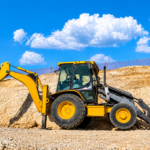
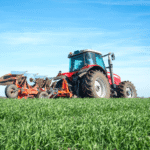
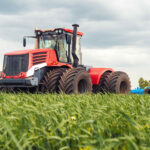
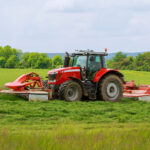
Choosing the right tractor is an important decision for every farmer. Whether you manage a small family farm, grow vegetables, maintain a vineyard, or operate a large agricultural business, a reliable tractor can make daily work easier and more efficient. For farmers in Poland, Indian tractors can be an attractive option because they offer a range of models, practical features, and competitive prices.
More and more Poland farmers, orchard owners, and small agri-businesses are looking at India for tractors. Indian tractors are known for being strong, fuel-efficient, and fairly priced. But not every seller is the same. A good partner makes your life easy. A weak one can cost you time, money, and stress.
In this guide, we explain in simple words how to choose the right Indian tractor exporter for the Poland market.
Why Are Poland Farmers Looking at Indian Tractors?
Poland has a large farming sector. Many farms are small or medium in size, often between 5 and 50 hectares. Orchards, fruit farms, vegetable fields, and mixed farms are common. For farms like these, a huge and costly tractor is often too much.
Indian tractors fit this need well. They are built for tough conditions, small plots, and long working hours. Spare parts are easy to find, and the engines are simple to repair. Prices are also lower than many European brands, which matters when margins are tight.
Still, a low price should never be the only reason to buy. The exporter you pick decides how smooth the whole experience will be.
What an Indian Tractor Exporter Actually Does?
An Indian tractor exporter is more than a seller. A good one handles many steps for you:
- Helps you choose the right model
- Prepares export paperwork
- Arranges packing and shipping
- Supports you with spare parts and service
- Answers questions after the tractor arrives
When you search for an Indian Tractor Expoter, you will find many names. Some are real manufacturers. Some are only traders who buy from others. Knowing the difference is the first step to a safe purchase of an Indian tractor in Poland.
Step 1: Check If They Are a Manufacturer or a Trader
- Ask the company directly: “Do you make the tractors yourself?”
- A manufacturer controls the quality of the machine. They know every part, they can fix problems faster, and they can often give a better price because there is no middleman.
- A trader may still be honest, but they depend on another company for supply. If something goes wrong, you may wait longer for answers.
- Look for a company with its own factory, its own engineers, and a clear story about how it makes its products. Photos of the factory, videos of testing, and a visible address are good signs.
Step 2: Look at Their Export Experience
Exporting to Europe is not the same as selling inside India. Europe has its own rules, and Poland follows European Union standards. A good exporter should understand:
- EU emission and safety requirements
- Import duties and customs paperwork
- Required documents such as the commercial invoice, packing list, bill of lading, and certificates of origin
- How to ship large machines safely by sea
Ask how many countries they already export to. Ask if they have shipped to Europe before. If they can name real destinations and explain the process clearly, that is a good sign. If answers are vague, be careful.
Step 3: Make Sure the Tractor Suits Poland Farming
Not every tractor works for every farm. Poland has cold winters, wet springs, and different soil types. Many farms have narrow rows and tight spaces, especially in orchards and berry fields.
A good tractor exporter will not just push the most expensive model. They will ask about your land size, crops, soil, and daily work. Then they will suggest the right horsepower and features.
If your farm is small, a compact or mini tractor may be the smarter choice. Our Mini Tractor Buying Guide for Europe explains how to choose size, power, and attachments for small and medium European farms. It is worth reading before you talk to any exporter.
Fruit growers can also learn a lot from our article on how to Choose the Best Tractor for Olive Farms and Vineyards. The same ideas, such as narrow width, low turning radius, and gentle handling, apply to Poland apple orchards, cherry farms, and berry plantations.
Step 4: Ask About Quality and Testing
A tractor must work hard day after day. Before you buy, ask the exporter:
- What quality checks do you do before shipping?
- Is each tractor tested before dispatch?
- Which engine and gearbox brands do you use?
- What warranty do you offer?
Good companies are happy to answer. They may share test reports, quality certificates, and clear warranty terms in writing. Always ask for the warranty in writing. A promise made on a phone call is hard to prove later.
Step 5: Think About Spare Parts and After-Sales Support
This is where many buyers get surprised. The tractor arrives, works well for a year, and then a part breaks. What now?
Before you buy, find out:
- Will they keep spare parts available for Poland?
- How fast can they ship parts to you?
- Do they offer manuals in English, or even Polish?
- Can they help by phone, email, or video call if you have a problem?
A strong exporter will have a clear plan for this. Some even send a starter kit of common wear parts, such as filters, belts, and seals, along with the tractor. That small extra can save you weeks of waiting during a busy season.
Step 6: Compare Prices the Smart Way
Price matters, but look at the full cost, not only the number on the quote. Ask for a clear breakdown that includes:
- Price of the tractor
- Packing and loading
- Sea freight to a Poland port such as Gdynia or Gdańsk
- Seguro
- Import duty and VAT
- Local transport to your farm
Some sellers give a very low tractor price and then add costs later. Always ask for a full landed cost, so you know the real total. Compare at least three exporters side by side.
Also be careful with offers that look too good to be true. A tractor far cheaper than the market usually has a reason.
Step 7: Check Their Reputation
Do a little detective work before you send money. You can:
- Read customer reviews and testimonials
- Check the company website for real contact details
- Look for a company registration and export licence
- Ask for references from other European buyers
- Search the company name online for any complaints
A real exporter will not mind these questions. In fact, honest companies like careful buyers.
Step 8: Judge Their Communication
How an exporter talks to you before the sale shows how they will treat you after it. Pay attention to:
- How fast they reply
- Whether answers are clear and complete
- Whether they speak good English
- Whether they explain things without pressure
If a company is slow or confusing now, it will likely be worse once they have your money. Choose a team that feels open, polite, and easy to work with.
Step 9: Understand Payment and Delivery Terms
Be clear about how payment works before you agree to anything. Common methods include bank transfer and letter of credit. Ask for a proforma invoice, and make sure it lists the model, specifications, price, delivery terms, and timeline.
Also learn the shipping terms, such as FOB, CIF, or DAP. In simple words, these decide who pays for and manages each part of the journey. A good exporter will explain them without making you feel lost.
Never pay the full amount to an unknown company without checking its background first. Starting with a small order or a clear staged payment can lower your risk.
Step 10: Think About the Long Term
A tractor is not a one-time purchase. It becomes part of your daily work for many years. The right exporter will treat you as a long-term partner, not a quick sale.
Compact machines in particular can change how a farm works. Read our guide on Cómo los minitractores aumentan la productividad agrícola to see how the right small tractor can save time, cut fuel costs, and make daily jobs easier. When your exporter understands this, they can guide you to a machine that truly pays back.
A Quick Checklist Before You Decide
Keep this short list handy:
- They are a real manufacturer or clearly state who they are
- They have export experience, ideally to Europe
- They understand EU rules and paperwork
- They offer written warranty and quality checks
- They can supply spare parts and support
- They give a clear, full price with no hidden costs
- They have good reviews and honest answers
- They communicate well and reply quickly
If a company ticks most of these boxes, you are likely on the right track.
Ready to Find the Right Indian Tractor Exporter for Poland Farm?
Are you planning to import an Indian tractor to Poland? Choosing an Indian tractor exporter does not have to be hard. Take your time, ask smart questions, and pick a partner you can trust.
En Maquinaria SV India, we export tractors and agricultural machinery from India to farmers across Europe including Poland. Tell us about your land, your crops, and your budget, and our team will suggest the right model with a clear, honest quote. Contáctanos today!
Frequently Asked Questions (FAQ)
- Is it safe to buy a tractor from India for use in Poland?
Yes, it can be very safe if you choose a trusted exporter. Check that the tractor meets the needed standards, ask for proper documents, and confirm the warranty in writing before you pay.
- How long does shipping from India to Poland take?
Sea shipping usually takes around four to six weeks, depending on the route and port. Add time for packing, customs clearance, and local delivery. Ask your exporter for a clear timeline.
- What documents do I need to import a tractor into Poland?
You will usually need the commercial invoice, packing list, bill of lading, certificate of origin, and any required conformity papers. Your exporter and a local customs agent can guide you through this.
- Can I get spare parts easily after buying?
A good exporter will keep spare parts ready and ship them quickly. Always ask about parts supply and delivery time before you buy.
- Which tractor size is best for a small Poland farm?
It depends on your land and crops. Small farms and orchards often do well with compact or mini tractors. Larger fields may need more horsepower. A good exporter will help you choose after asking about your needs.
- How can I avoid hidden costs?
Ask for a full landed cost that includes freight, insurance, duty, VAT, and local transport. Compare quotes from at least three exporters.
- Should I choose the cheapest exporter?
Not always. Low price can mean weak quality or poor support. Balance price with reliability, warranty, and service.
- Do Indian exporters offer a warranty for European buyers?
Many do. Terms differ from company to company, so ask for the warranty details in writing and understand what is covered.